Brown PVC Joinery in Montenegro — Why It's Becoming the Top Choice
Published July 17, 2025
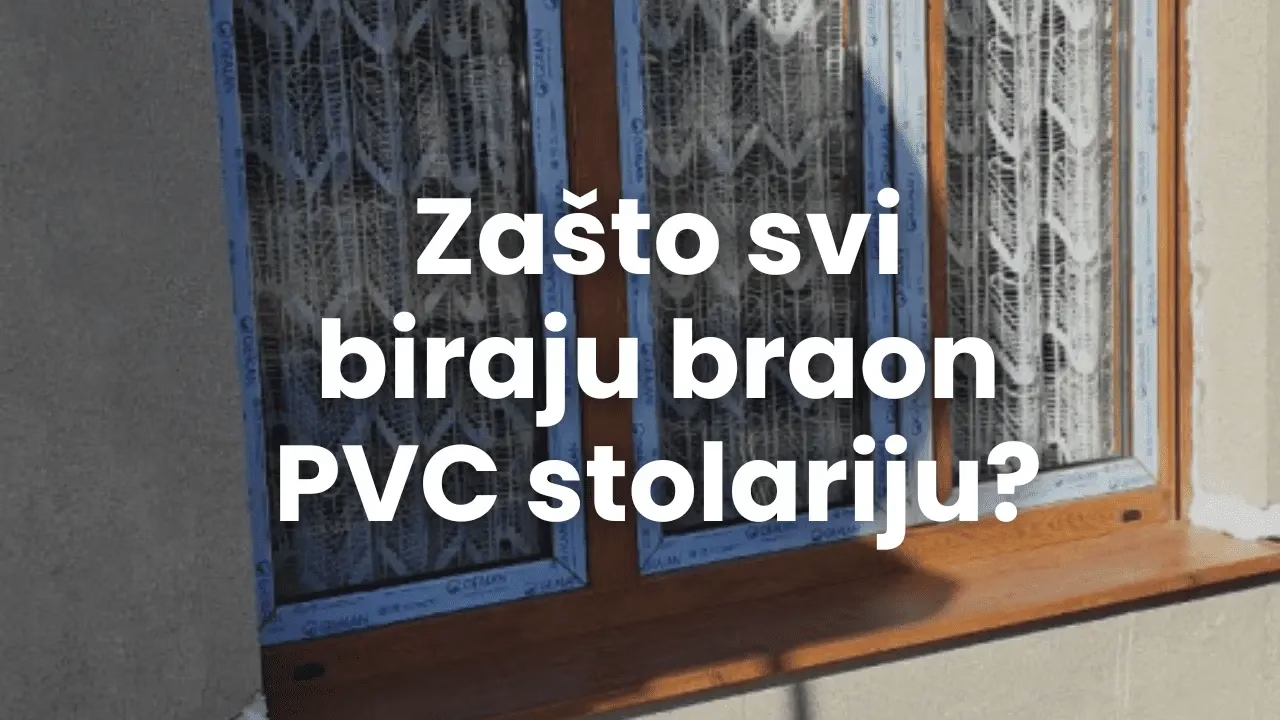
Why is brown PVC joinery becoming more popular than white PVC windows in Montenegro? Brown PVC joinery has seen a real boom in the last few years. Today, about 60% of our clients choose brown over white, which is a complete reversal compared to 5 years ago, when everyone wanted only white joinery. Here is why this trend is happening and whether brown is the right choice for your home.
Why people are moving away from white PVC joinery
White PVC joinery dominated for decades because it was the most affordable and looked “modern.” But trends are shifting, and brown PVC joinery started gaining popularity when people realized white does not suit every architectural style.
Traditional stone and brick homes in Montenegro look better with brown windows than with stark white ones. White PVC joinery can make renovated older homes look cheap, even when the joinery itself is high quality.
Brown also hides dirt and scratches better than white. On white, every smudge, water drop, or minor scratch is visible. Brown windows look clean longer and require less upkeep.
Architectural harmony
Brown PVC joinery blends better with traditional Montenegrin architecture. Stone homes, brick buildings, and Mediterranean styles look much more authentic with brown frames than with white.
Rural homes especially gain in beauty with brown windows because they blend into the natural surroundings, while white windows often stand out awkwardly.
Coastal properties increasingly choose brown PVC because it pairs better with sand, stone, and aged wood, while white frames often draw attention away from the sea view.
Practical benefits of brown
Brown PVC joinery holds its appearance longer than white. White PVC can gradually yellow over time, especially in strong sun, while brown does not show this.
As for heat, there is a difference, but modern PVC profiles handle it without issues. Brown profiles warm up slightly more than white, but they do not warp or deform.
Buyers of brown joinery often view it as more premium and better matched to traditional architecture, which can positively affect property value.
Color options and finishes
Brown PVC joinery comes in a range of shades — from light golden-brown to dark chocolate. The most requested are mahogany, walnut brown, and bronze tones.
Wood decor in a brown variant looks more natural than smooth surfaces. The texture breaks up reflection and adds depth so the PVC does not look “plastic.”
Two-tone combines brown on the outside with white on the inside — a traditional look outside, bright, clean frames inside.
Costs
Brown PVC joinery typically costs €20–€40 more per square meter compared to white. This difference covers additional steps in production and finishing.
The price gap is shrinking as brown becomes more popular. Higher demand reduces production costs and brings prices closer to white joinery.
Long-term, brown joinery often holds more value because it keeps its appearance longer and fits a wider range of architectural styles, which can help when selling the property.
Installation and maintenance
Brown PVC joinery is installed the same way as white. There are no extra costs or special techniques required.
Maintenance is minimal — just occasional cleaning. Brown joinery shows dirt less, so cleaning is less frequent.
Color repairs are limited on colored PVC. Scratches on brown surfaces are harder to repaint than on white, but brown itself hides minor scratches better.
Market trends
Brown PVC joinery follows broader design trends toward warmer, more natural tones. People are increasingly moving away from cold white toward colors that feel more natural.
Social media and home improvement shows have also influenced taste. Brown windows look more premium and photograph better.
European trends usually reach Montenegro with a few years’ delay. Brown PVC first became popular in Western Europe and is now the standard here as well.
Regional preferences
The coast in Montenegro prefers brown PVC joinery most, as it fits Mediterranean architecture perfectly. Mountain regions also increasingly choose brown because it harmonizes with nature.
In Podgorica, tastes are split — modern neighborhoods still choose white, while traditional neighborhoods lean toward brown shades.
In new buildings, brown PVC is increasingly specified at the design stage as architects recognize its aesthetic advantage.
Manufacturing quality
Brown PVC joinery requires high-quality manufacturing so the color does not shift or fade unevenly. Poor PVC can look patchy and lose color quickly.
UV stabilizers are critical for brown PVC longevity. Good manufacturers always use additives that prevent color degradation.
Surface finish quality is even more important with darker colors because imperfections are easier to spot on a dark background.
Design flexibility
Brown PVC joinery pairs more easily with various facade colors than white. Brown works with earth tones, warm grays, and natural materials.
Interior flexibility is slightly reduced with brown exteriors, but two-tone options solve this since the interior frames can remain white.
From traditional to contemporary construction, brown PVC fits in easily, while white sometimes feels too harsh for older homes.
What’s next
Brown PVC joinery is clearly not just a passing trend. Its practical and aesthetic benefits suggest brown will stay popular long-term.
Technology continues to improve, so brown PVC is becoming increasingly durable and color-stable, with no technical disadvantages compared to white.
How to choose
Brown PVC joinery makes sense for most homes in Montenegro, especially traditional architecture or rural properties. The small price difference is usually justified by better appearance and harmony with the surroundings.
Consider the style of the house, the character of the neighborhood, and your personal preferences. Brown is not automatically better in every case, but in Montenegro it often suits traditional homes well.
Want to see our brown PVC joinery options for your home? Call us at +382 69 539 453 or write to info@stolarijavim.me. We will show you all the shades and help you choose what fits your architecture best.